Posts

Showing posts with the label water

Climate of Islamic Republic of Pakistan

Image
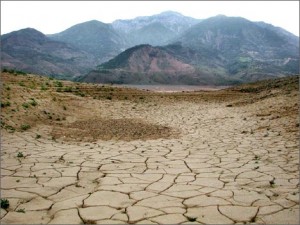
The climate of a region or country is known through the typical weather over a protracted amount of time. If a vicinity has a lot of dry days throughout the year than wet days, it'd be delineate as a dry climate; an area that has additional cold days than hot days would build it far-famed to own a chilly climate. Pakistan has four seasons: a cool, dry winter from December through February; a hot, dry spring from March through May; the summer season, or southwest monsoon amount, from June through September; and also the withdrawing monsoon amount of October and November. The weather extremes in Islamic Republic of Pakistan embody high and low temperatures, heaviest precipitation and flooding. the best temperature ever recorded in Islamic Republic of Pakistan is fifty three.5 °C(128.3 °F) that was recorded in Mohenjo-daro, Sindh on twenty six might 2010. Disaster state global climate change is probably going to increase climate-related natural disasters with the ...

All environmental threats are antropogenic and that they can be solved by humans themselves.

Image
The environmental field has experienced a major transition in the past 20 years. Climatic changes are actually happening and Earth is heating up, the glaciers melting and water is being consumed by the growing population. The changing climate leads to changes in the frequency and timing of extreme weather and climate events, and can result in unprecedented extreme weather and climate events. Erik Solheim is the Executive Director of the UN Environment Programme (UNEP) since May 13, 2016. He has an extensive career focusing on environment and development in government and international organisations. In his first interview with The News on Sunday, Erik seemed hopeful to work with current government and further the conservation agenda in Pakistan. Regarding the environmental issues that Pakistan is grappling with, Erik Solheim stood clear that all these environmental threats are man-made and that they can be solved by humans themselves.   Pakistan ...

Hot, humid and sweaty weather to nice, breezy and showery...Another monsoon spell

Image
  Weather of Pakistan  is expecting another good spell of monsoon rain after very hot, humid and sweaty period. PMD (Pakistan Meteorological Department ) has informed that the “second spell of monsoon rains is expected in coming 24 hours, travelling through the Arabian Sea and Bay of Bengal, has made its way into the north-eastern parts of the country.” Rainfall is expected to match the long-term average to slightly more in northern half of Pakistan. Good rainfall spell are expected during the 2nd and 3rd decade of the month, which may cause urban flooding and flash floods in some parts of the country. According to the spokesperson of meteorological department, the monsoon with gusty winds and thunder splash will lash isolated places in Malakand, Hazara, Rawalpindi, Gujranwala and Lahore divisions, Islamabad, Gilgit-Baltistan, and Azad Kashmir regions from 13th to 15th July. “Seasonal Low lies over North Baluchistan on 14th and 15th July with its trough extending sou...

Cotton-major cash giving but world's 'dirtiest' crop

Image
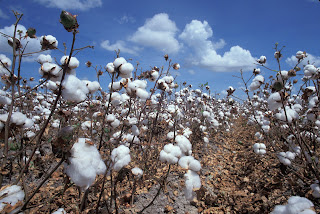
Cotton is considered the world's 'dirtiest' crop due to its heavy use of insecticides, the most hazardous pesticide to human and animal health. Cotton covers 2.5% of the world's cultivated land yet uses 16% of the world's insecticides, more than any other single major crop. Cotton is one of the most water and pesticide intensive agricultural commodity, is responsible for significant adverse impacts on human and animal (livestock) health, natural resources such as land and fresh water and global biodiversity. 1. Cotton production plays a primary role in degradation of agro-ecosystems by indiscriminate use of agrochemicals such as fertilizers and pesticides. In addition, adverse impacts on the communities in terms of health risks to working men and women and increase in poverty and dependency due to the high pesticides costs and indebtedness are common. 2. In many cases irrigation systems are very inefficient and therefore lead to wide spread negative impac...
Image
Asia, located primarily in the eastern and northern hemispheres, is the world’s largest and most populous continent, Population of Asia 2011 is 3,879,000,000 (3.8 billion). It covers 8.6% of the Earth’s total surface area (or 29.9% of its land area) and with approximately 4 billion people, it hosts 60% of the world’s current human population, But only about 36 percent of the renewable fresh water. So, even on a continental scale, it is clear that water is a serious constraint in Asia. China, India and Pakistan are three of the four top irrigators in the world, suffering with serious water problems. Pakistan has in most areas of agriculture a monsoon climate, and there might be abundant rainfall during the wet season and then a very long dry season where crop production depends very heavily on irrigation water. Groundwater is a very important source of irrigation for farmers. Ground water is being over-pumped extensively in order to meet current demands for food production but if ou...