Posts

Showing posts with the label flooding

Pakistan- The Link Between Deforestation and Flooding

Image
According to the U.N. Food and Agriculture Organisation, 2.2% or about 1,687,000 ha of Pakistan is forested. Pakistan has 340,000 ha of planted forest. And that has been declining rapidly.  Between 1990 and 2010, Pakistan lost an average of 42,000 ha or 1.66% per year. In total, between 1990 and 2010, Pakistan lost 33.2% of its forest cover or around 840,000 ha. Pakistan's forests contain 213 million metric tons of carbon in living forest biomass. It boasts  some 1027 known species of amphibians, birds, mammals and reptiles according to figures from the World Conservation Monitoring Centre. Of these, 3.5% are endemic, meaning they exist in no other country, and 5.5% are threatened. Pakistan is home to at least 4950 species of vascular plants, of which 7.5% are endemic. 4.0% of Pakistan is protected under IUCN categories I-V. Khurshid Ahmed, an environmentalist from Peshawar University, says most of the logs illegally cut from Pakistan's forests have be...
Image
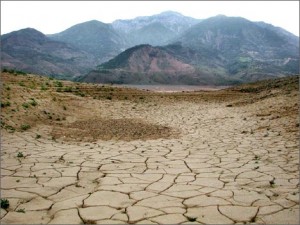
Asia, located primarily in the eastern and northern hemispheres, is the world’s largest and most populous continent, Population of Asia 2011 is 3,879,000,000 (3.8 billion). It covers 8.6% of the Earth’s total surface area (or 29.9% of its land area) and with approximately 4 billion people, it hosts 60% of the world’s current human population, But only about 36 percent of the renewable fresh water. So, even on a continental scale, it is clear that water is a serious constraint in Asia. China, India and Pakistan are three of the four top irrigators in the world, suffering with serious water problems. Pakistan has in most areas of agriculture a monsoon climate, and there might be abundant rainfall during the wet season and then a very long dry season where crop production depends very heavily on irrigation water. Groundwater is a very important source of irrigation for farmers. Ground water is being over-pumped extensively in order to meet current demands for food production but if ou...

New Hopes for better climate of Pakistan

Image
As stated, Pakistan is one of the lowest contributors to this global problem but, nevertheless, it has played a leading role in trying to formulate global consensus in addressing this issue demanding collective cooperation. Also, the country is cognizant of its development priorities and is actively seeking both, financial and technological support, to place its undeniable future growth on to a low carbon trajectory. Global deforestation and degradation had a negative role towards climate change for which initiatives such as Reduced Emission from Deforestation and Degradation (REDD) was important as an alleviation response to climate change. The United Nation Framework Convention of Climate Change (UNFCC) was adopted in 1992 and Pakistan was one of its signatory along with 194 other nations. The study, by researchers at the University of California, Merced, concluded that rising temperatures associated with climate change could result in many more severe forest fires in the coming d...

Disappointment Over Lack of Action in 2011 Needs to Be replaced with Hope of Action in 2012

Image
Pakistan is one of the countries that contributes least to global climate change but, nevertheless, it has played a leading role in trying to formulate global consensus on cooperating to address it .Also, the country is cognizant of its development priorities and is actively seeking both financial and technological suppor, to place its undeniable future growth on to a low carbon trajectory. Global deforestation and degradation accelerated climate change and to counter this, initiatives such as Reduced Emission from Deforestation and Degradation (REDD) was important as an alleviation response. The United Nation Framework Convention of Climate Change (UNFCC) was adopted in 1992 and Pakistan was one of its signatory along with 194 other nations. The study, by researchers at the University of California, Merced, concluded that rising temperatures associated with climate change could result in many more severe forest fires in the coming decades. Professor Anthony Westerling and his tea...

2011 Impact of Climate Change on Pakistan is Massive and disappointing

Image
Throughout 2011 we have seen  some of the extreme weather effects of climate change stinging. Global warming means killer storms more worse than Katrina and Gustav, unexpected flooding in Asia, drought in Eastern Europe, unseasonal heavy rains in western Africa. These events  have also reduced crop yields, further hampering the chances of relief. 2012 will also be the first year in which the world has had 7 billion mouths to feed throughout all 12 months. But drought in Eastern Europe this winter has affected the grain harvest raising prices and lowering hopes for famine relief in Africa. Global warming is causing the melting of glaciers in the Himalayas. In the short term, this means increased risk of flooding, erosion, mudslides and GLOF in Nepal, Bangladesh, Pakistan, and north India during the wet season. Because the melting of snow coincides with the summer monsoon season, any intensification of the monsoon and/or increase in melting is likely to contribute to flood d...

Disappointment in 2011 is the opportunity of new hopes for better climate of Pakistan in 2012.

Image
hopes for better climate As stated, Pakistan is one of the lowest contributors to this global problem but, nevertheless, it has played a leading role in trying to formulate global consensus in addressing this issue demanding collective cooperation. Also, the country is cognizant of its development priorities and is actively seeking both, financial and technological support, to place its undeniable future growth on to a low carbon trajectory. Global deforestation and degradation had a negative role towards climate change for which initiatives such as Reduced Emission from Deforestation and Degradation (REDD) was important as an alleviation response to climate change. The United Nation Framework Convention of Climate Change (UNFCC) was adopted in 1992 and Pakistan was one of its signatory along with 194 other nations. The study, by researchers at the University of California, Merced, concluded that rising temperatures associated with climate change could result in many more severe f...

Life line of Pakistan is in severe danger

Image
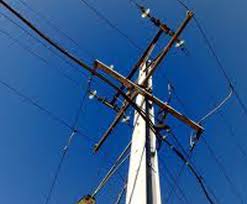
We believe that electricity exists, because its life line of the countries,and the electric company keeps sending us bills for it, although we cannot consume it all 24 hours. ” Pakistan is in the grip of a serious energy crisis that is affecting all sectors of the economy and the various segments of the society. Luckily Pakistan has blessed by many types of resources but lack of attention and sincerity among authority leaders and concerned department all resources are just for name of appreciations rather than utilization. For years, the matter of balancing Pakistan's supply against the demand for electricity has remained a largely unresolved matter. Pakistan faces a significant challenge in revamping its network responsible for the supply of electricity. Pakistan ’s energy infrastructure is not well developed, to a certain extent it is considered to be underdeveloped and poorly managed. Currently the country is facing severe energy crisis. Even despite the fact that of stro...

Public Attitudes Toward Climate Change Across Countries

Image
From the World Bank commissioned report in 2009: “Public attitudes toward climate change: findings from a multi-country poll”,comes this interesting look at country wide attitudes to climate change. So it's interesting to look at how these views affected country attitudes at Durban recently. It is pertinent to mention here that Asia has been worst hit by severe climate change.  Pakistan is one of the countries that have been severely hit in the recent years by disastrous effects of climate change including flash floods and devastating earthquakes. “Developed nations are not guilty of causing the climate change that developing nations claim they are suffering,” said Tom Harris, executive director of ICSC which is headquartered in Ottawa, Canada. “Climate changes all the time—both warming and cooling—due to natural causes and there is nothing that we can do to stop it. However, to the degree possible, and considering our economic circumstances, developed nations stil...

Role of forests in climate change

Image
The humanitarian emergency caused by few last months’ devastating floods in Asia warning that the situation could get worse, The people affected by this crisis have lost everything, and their difficulties are only just beginning two countries Pakistan and Thailand badly hit by the disaster. Hundreds of thousands of people face a struggle for survival over the next six months. Thousands of homes have been damaged, possessions destroyed and hundreds of schools, roads and health facilities are closed. The Intergovernmental Panel on Climate Change (IPCC) predicts that by the year 2050 around 60 percent of the world's population will experience severe water shortages, with 33 percent thought to be already under water stress. Water cycle has been disturbed badly in all over the world causing, food depletion, drought, flooding, rising sea level, increase in green house gases and scary food shortage. The root causes behind the scene consider deforestation mainly. Forests cover 31% of the ...

Rise in temperature, flooding and responsibilities of Governments.

Image
This year will be world’s tenth warmest on record since 1850, and the highest ever in a year which experienced a La Niña event, a meteorological phenomenon which is supposed to have a cooling influence on Earth’s atmosphere, a United Nations agency reported today (29 th Nov2011). The report was released today in The 17th Conference of the Parties (COP17) to the United Nations Framework Convention on Climate Change (UNFCCC) in Durban, South Africa, (from November 28 –December 9, 2011), where thousands of representatives from governments, international organizations and civil society are meeting to advance ways to cut global carbon emissions and pollution. Geography compounded with high levels of poverty and population density has rendered Asia and the Pacific countries especially vulnerable to the impacts of climate change with increase in temperature. Climate change is existent and the region faces scary climate-related improvement challenges. Asia and the Pacific, with over 50% of ...